“How much does a sauna cost?” is the first question most people ask, and the honest answer is: it depends. A small flat-pack cabin and a bespoke garden sauna house are both “saunas,” but they sit thousands of pounds apart. This guide gives you realistic 2026 UK prices for every type of sauna, explains what actually drives the cost, and covers the running costs and installation extras that are easy to overlook, so you can budget properly before you buy.
Sauna cost at a glance (2026 UK prices)
Here is a realistic overview of what different saunas cost in the UK. Treat these as guide ranges, exact prices depend on size, materials, heater and finish.
- Barrel and small kit saunas: from the low thousands
- Infrared cabins (1-2 person): low-to-mid thousands
- Mid-range garden cabin saunas: mid-to-high thousands
- Larger premium kits: high thousands to low five figures
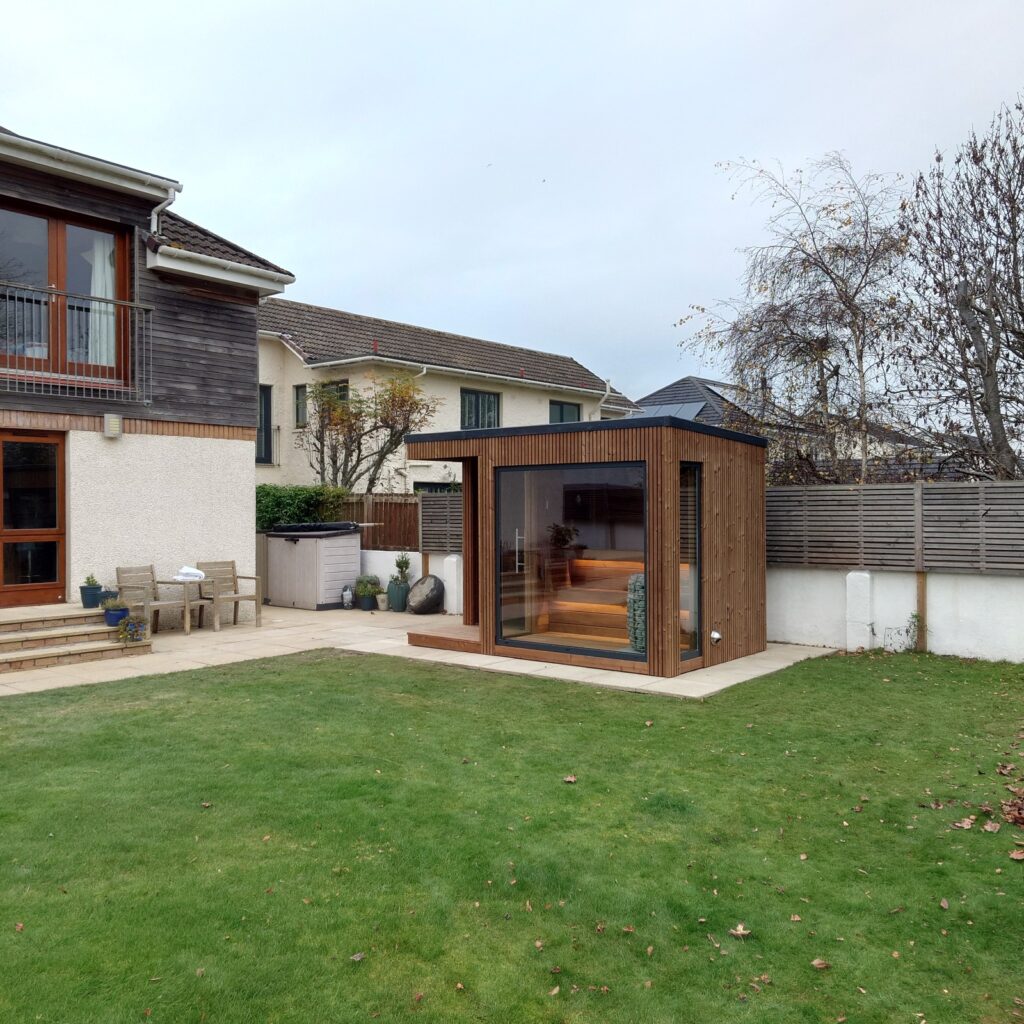
- Bespoke garden sauna houses: five-figure investment; our custom builds start from around £35,900
The gap between the cheapest and most expensive options is large because you are really paying for three things: how well the sauna is made, how much it is designed around your space, and how long it will last. A cheap cabin squeezed into an awkward corner is a false economy if it rarely gets used or needs replacing in a few years.

What affects the cost of a sauna?
Six factors do most of the work in setting the final price.
1. Size and capacity
The single biggest driver. A two-person sauna needs less timber, a smaller heater and a smaller footprint than a six-person cabin with a changing area, so it costs considerably less. Be realistic about how many people will actually use it, oversizing adds cost to both the build and the running.
2. Type of sauna
Infrared cabins are generally the most affordable to buy and run. Traditional barrel saunas are the entry point for the authentic experience. Cabin and bespoke garden saunas cost more but deliver more space, better looks and greater longevity.
3. Kit vs bespoke
A kit (flat-pack) sauna is cheaper upfront and quick to install, but you accept its fixed dimensions, standard materials and generic look. A bespoke sauna is designed around your space, your household and your budget, covering everything from timber selection to heater, glazing and lighting, which is why it costs more and holds its value better.
4. Materials and timber
Timber quality has a big effect on both price and lifespan. Premium sauna woods look better, feel better and age more gracefully. Glazing, benches, doors and external cladding all add to the cost, but they are also what make a sauna a pleasure to use for decades.
5. Heater choice
Electric heaters (typically 6-9kW) are convenient and give precise control but add to your electricity use. Wood-fired stoves avoid running costs entirely but cost more to install safely. Infrared panels are the cheapest to run. We compare these in detail in our garden sauna guide.
6. Installation and groundwork
The sauna itself is only part of the budget. Almost every installation needs a firm, level base, and many need electrical work, costs that are easy to forget when comparing headline prices.
Don’t forget installation and running costs
Two categories of cost sit outside the sticker price, and both deserve a line in your budget.
Installation extras
- Groundwork: A concrete pad, paving slabs or a deck to sit the sauna on.
- Electrical supply: An electric heater usually needs a dedicated circuit installed by a qualified electrician.
- Delivery and assembly: Kit saunas may be self-assembled or professionally installed; bespoke builds include installation.
- Flue and clearances: Wood-fired saunas need a safe flue and clearance from fences and branches.
Running costs
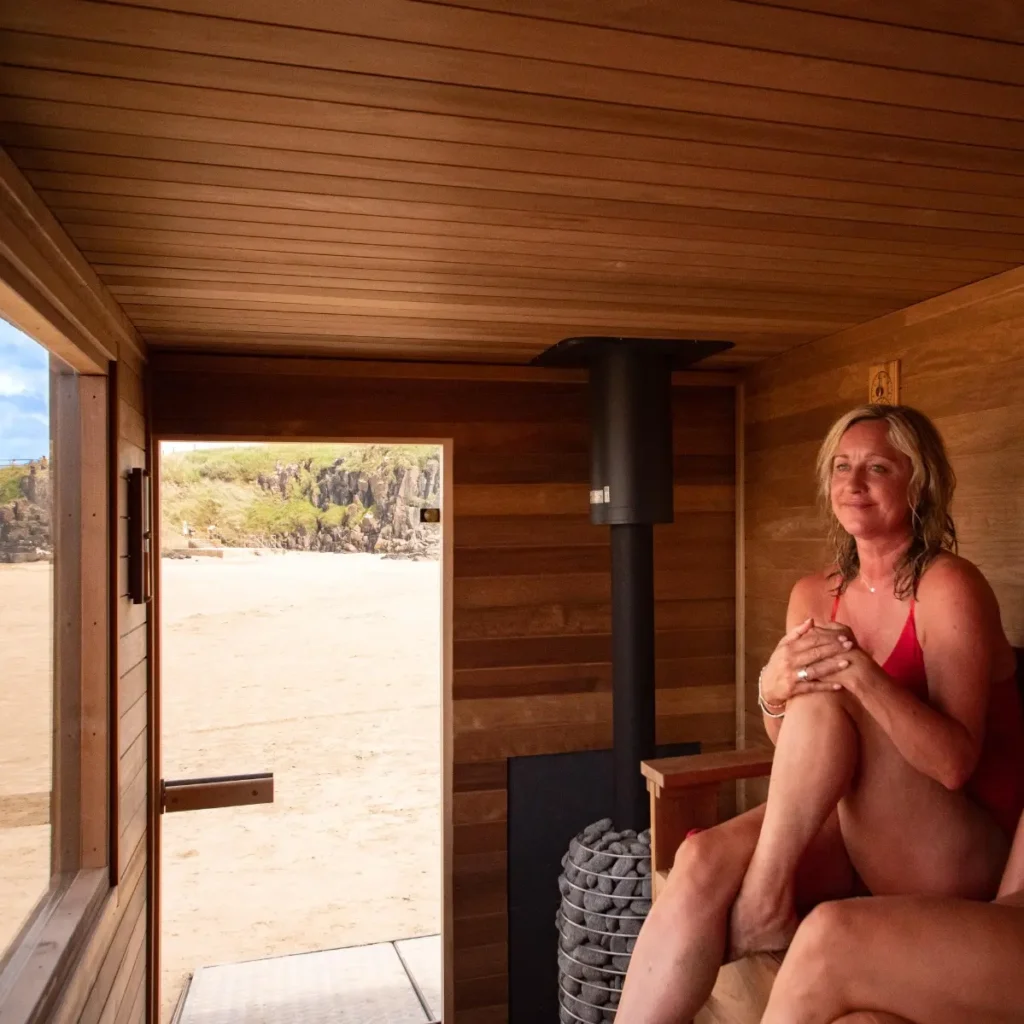
Running a sauna is cheaper than most people expect. An electric heater draws 6-9kW and takes 30-45 minutes to heat up, so a typical one-hour session costs only a few pounds at current UK electricity prices. Infrared cabins cost less again thanks to lower power draw and faster heat-up. Wood-fired stoves have no electricity cost at all, your only outlay is dry logs. Across a year of regular use, the running cost of a home sauna is modest compared with regular spa or gym visits.
How much does a sauna cost to run per session?
As a simple rule of thumb: heating an electric sauna for a session typically costs a few pounds, an infrared session costs less, and a wood-fired session costs only the price of the logs you burn. The exact figure depends on your heater size, how long you run it and your electricity tariff, but sauna running costs are rarely the deciding factor, the upfront investment and build quality matter far more over the life of the sauna.

Is a home sauna worth the money?
For regular users, a home sauna quickly changes the maths. A single spa visit can cost a significant amount, and a home sauna turns an occasional treat into a daily routine with no booking, travel or membership. Beyond the direct saving, a well-built sauna is increasingly seen as a desirable wellness feature that can add appeal to a property when it is time to sell.
The key is to buy the right sauna once, rather than the cheapest sauna twice. As a rule of thumb, the more a sauna is designed around your specific space and how you will actually use it, the more value it holds over time. That is the thinking behind our bespoke sauna service, which covers design, build and installation across the UK.
Getting an accurate quote
Guide prices are useful for setting a budget, but the only way to know what your sauna will cost is a proper quote based on your space, size, heater and finish. When comparing quotes, make sure each one includes groundwork, electrical work and delivery, so you are comparing like for like rather than headline cabin prices alone.
If you would like a realistic figure for your project, tell us about your space and how you plan to use it, and we’ll advise on the options and costs. You can explore our full range on the Skotlanti homepage, or read our complete home sauna guide for the wider picture before you commit.
Sauna cost by type: a closer look
It helps to see how the numbers stack up type by type, because each sits in a different place on the price-versus-longevity curve.
Barrel saunas are the cheapest way into an authentic wood-heated sauna. The rounded shape uses less material and heats efficiently, which keeps both purchase and running costs down. The compromise is interior space and a fixed look, you take the barrel as it comes.
Infrared cabins are the most affordable to run and among the cheapest to buy in their compact sizes. They plug into a standard socket, heat up in minutes and suit indoor spaces, but they deliver a gentler, dry-heat experience rather than the traditional high heat and steam.
Cabin and panoramic garden saunas occupy the middle-to-upper range. You are paying for usable interior space, better glazing, changing areas and a finish that looks intentional in the garden. This is where most buyers who want a genuine, lasting sauna end up.
Bespoke sauna houses sit at the top because everything is made to measure, the layout, the timber, the glazing, the heater and the way the cabin relates to your home and garden. The upfront cost is higher, but a bespoke build is designed to last decades and to hold its value, which changes the true cost per year of ownership considerably.
How to keep sauna costs down
Spending less doesn’t have to mean buying worse. A few sensible moves keep the budget in check without landing you with a sauna you regret:
- Size it honestly. Every extra person of capacity adds timber, heater power and running cost. Buy for how you’ll really use it, not the biggest cabin you can fit.
- Choose the right heater for your habits. Infrared and efficient electric heaters keep running costs low if you’ll use the sauna often; a wood-fired stove removes electricity costs entirely if you don’t mind the ritual.
- Get the groundwork right first time. A proper, level base protects your investment and avoids costly problems later, skimping here is a false economy.
- Prioritise build quality over features. Good timber and construction are what determine whether a sauna lasts decades. Fancy extras can wait; a sound cabin can’t be added later.
- Buy once. The most expensive sauna is the cheap one you replace in a few years. Investing a little more in the right sauna usually works out cheaper over its lifetime.
Sauna cost FAQs
What is the cheapest type of sauna?
Small barrel saunas and compact infrared cabins are the most affordable to buy, starting in the low thousands. Infrared is usually the cheapest to run as well, thanks to its lower power draw.
How much does a bespoke sauna cost?
A fully bespoke, architect-quality build is typically a five-figure investment. Our custom builds start from around £35,900, with the final figure depending on size, materials, glazing and features.
Are saunas expensive to run?
No. A typical electric session costs a few pounds, infrared costs less, and wood-fired saunas cost only the price of logs. Running costs are modest compared with the upfront investment.
Does a sauna add value to my home?
A quality, well-built sauna is increasingly viewed as a desirable feature, particularly on premium properties. As with any garden building, build quality determines whether it reads as an asset.
Ready to budget your project properly? Get in touch for a tailored quote, or browse the portfolio to see what’s possible at different price points.