A home sauna is a lifestyle investment first, but it is natural to wonder whether it will also add value to your property when the time comes to sell. The honest answer is that it can, but how much depends on the quality of the sauna, how well it is integrated into the home and who is likely to buy it. This guide looks at when a sauna adds value, when it does not, and how to make sure yours is an asset rather than an afterthought.
The short answer
There is no reliable UK figure for exactly how much a sauna adds to a house price, and anyone who quotes a fixed percentage is guessing. What is clear is that a well-built, well-placed sauna can make a home more appealing, help it stand out from comparable properties and support a premium asking price, particularly at the upper end of the market. A poorly built or neglected one can do the opposite.
When a sauna adds the most value
When it looks like part of the home
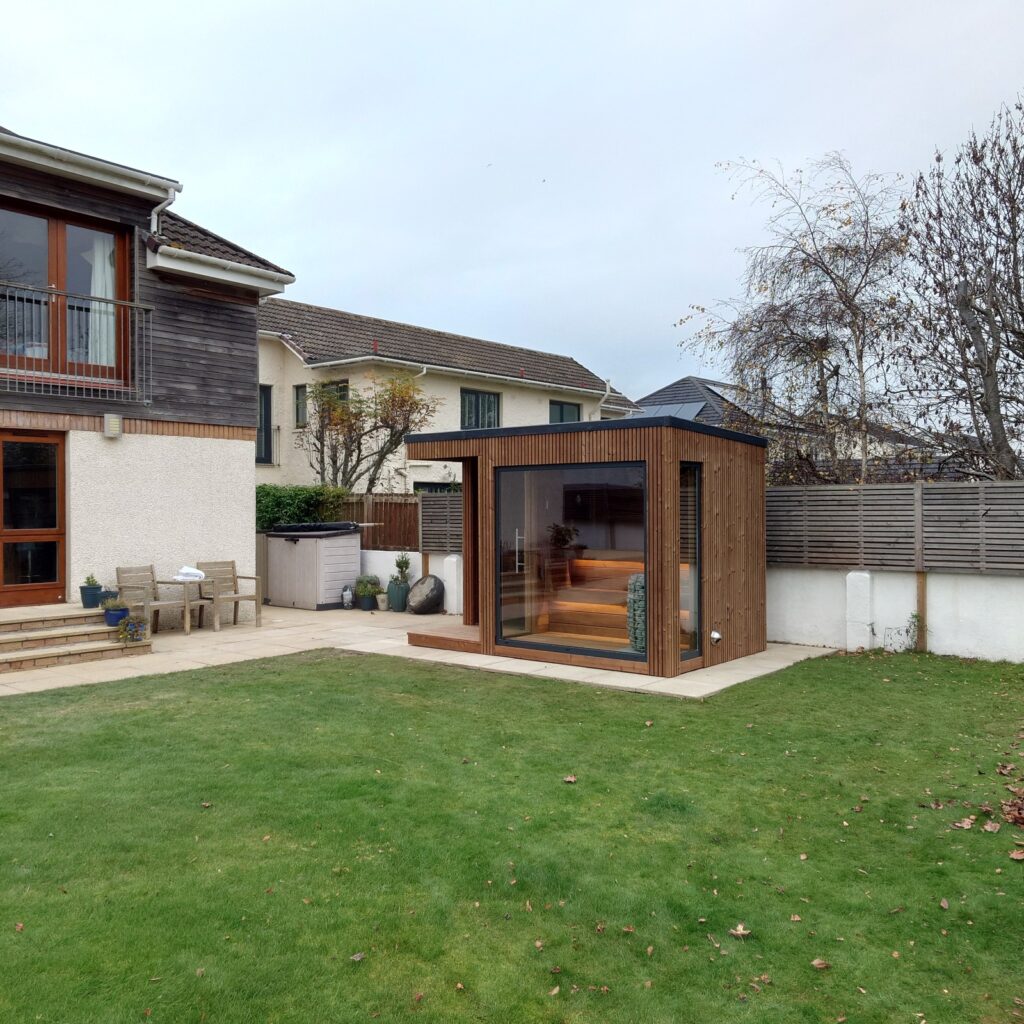
A sauna that has been designed around the property, with materials and finishes that suit the house and garden, reads as a feature. One that looks like a temporary kit dropped onto the lawn reads as something the next owner may have to remove. This is where a bespoke build makes a real difference, and our guide to bespoke vs off-the-shelf saunas explains why.
When it is well placed
Location matters as much as the sauna itself. An indoor sauna in a sensible, well-ventilated spot, or a garden sauna that sits naturally in the landscape with a good path from the house, adds to how a buyer imagines living in the home. For ideas, see our room-by-room guide to where to put an indoor sauna.
When it suits the buyer
Wellness features carry most weight with buyers who were already looking for them. Larger family homes, rural and coastal properties, and homes in areas where outdoor living is part of the appeal tend to benefit most. In a compact starter home, buyers may value the space more than the sauna.
When it comes with the paperwork
Buyers and their solicitors like certainty. Keep the electrical installation certificate, any warranty and maintenance records, and confirmation that the build complied with planning rules. Most garden saunas do not need planning permission, and our guide to planning permission for a garden sauna explains when one does.
When a sauna may not add value
- It is in poor condition. Tired timber, a failing heater or a damp cabin becomes a cost in the buyer’s mind, not a feature.
- It takes up valuable space. A sauna that swallows a needed bedroom or most of a small garden may narrow your pool of buyers.
- It does not match the property. A cheap-looking cabin on a premium home can detract from first impressions.
Lifestyle value comes first
The best reason to install a sauna is the years of use you get from it, not the price you might recover when you move. If you use it a few times a week, the value to you comes from better relaxation, recovery and time together long before resale enters the picture. Our complete guide to home saunas in the UK covers the full range of options, and our sauna cost guide sets out what to budget.
Thinking of selling?
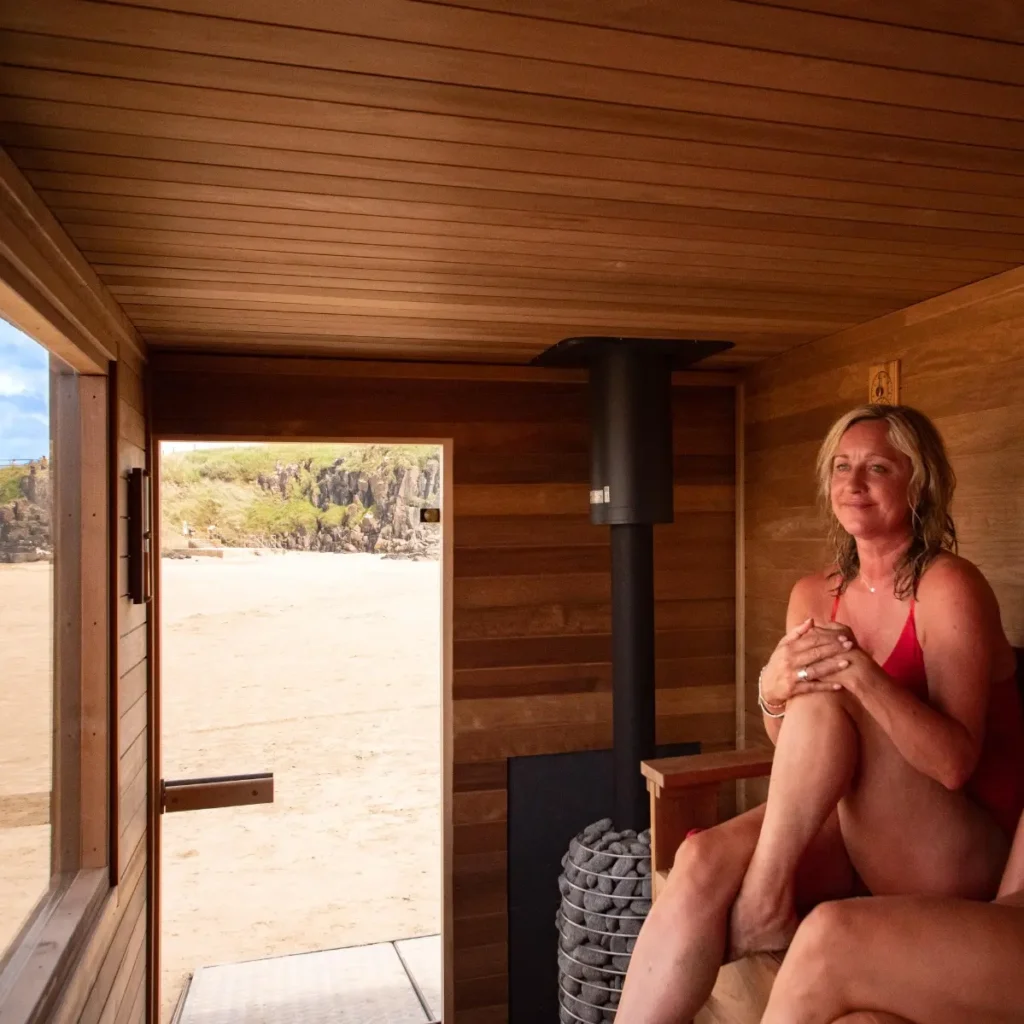
If you plan to move, decide early whether the sauna stays with the house or comes with you, and make that clear in the sale. A freestanding garden sauna can sometimes be relocated, while a sauna built into the fabric of the home will normally stay. Either way, a clean, well-presented sauna photographs beautifully and gives your listing a feature that most comparable homes do not have.
Saunas and property value: common questions
Does a garden sauna count as part of the house?
It depends on how it is built. A sauna fixed to a permanent base and connected to the mains is usually treated as part of the property, while a freestanding cabin may be treated more like a garden building that could be moved. If you are selling, make it clear in the sale whether the sauna is included so there are no surprises later.
Will a sauna affect my home insurance?
It is worth telling your insurer about a new sauna, particularly a garden sauna or one with a wood-burning stove, so that it is properly covered as part of your buildings and outbuildings. Keep your installation certificates to hand, as they may be asked for.
Does an indoor or outdoor sauna add more value?
Neither is automatically better. A garden sauna adds an outdoor living feature without using space inside the house, while an indoor sauna can create a spa-like bathroom or wellness room. What matters most is that it suits the home and is built to a high standard.
Is a sauna worth it if I might move in a few years?
If you will use it regularly, the lifestyle value can make it worthwhile even over a few years. If resale is your main concern, choose a design that suits the property and keep it in excellent condition, so it is a selling point rather than a question mark for buyers.
Build a sauna that adds to your home
Skotlanti designs and builds bespoke saunas made to suit your home, your garden and the way you live. Get in touch with Skotlanti to talk through a sauna that is a pleasure to use today and an asset for years to come.