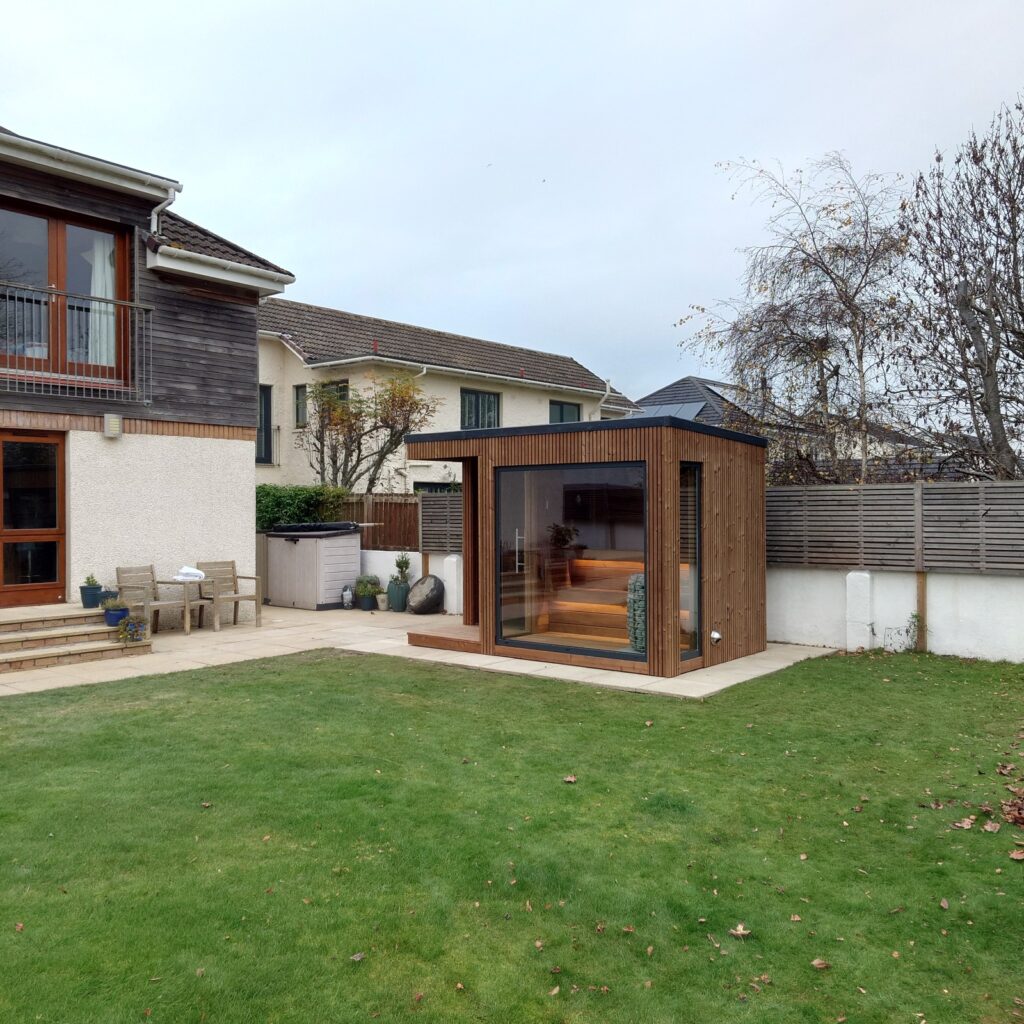
The heater is the heart of any sauna, and one of the biggest choices you will make is whether to go wood-fired or electric. Both create a genuine, authentic sauna experience, but they feel different to use, cost different amounts to run, and suit different settings. This guide compares wood-fired versus electric sauna heaters so you can choose the right one for your garden sauna.
How each heater works
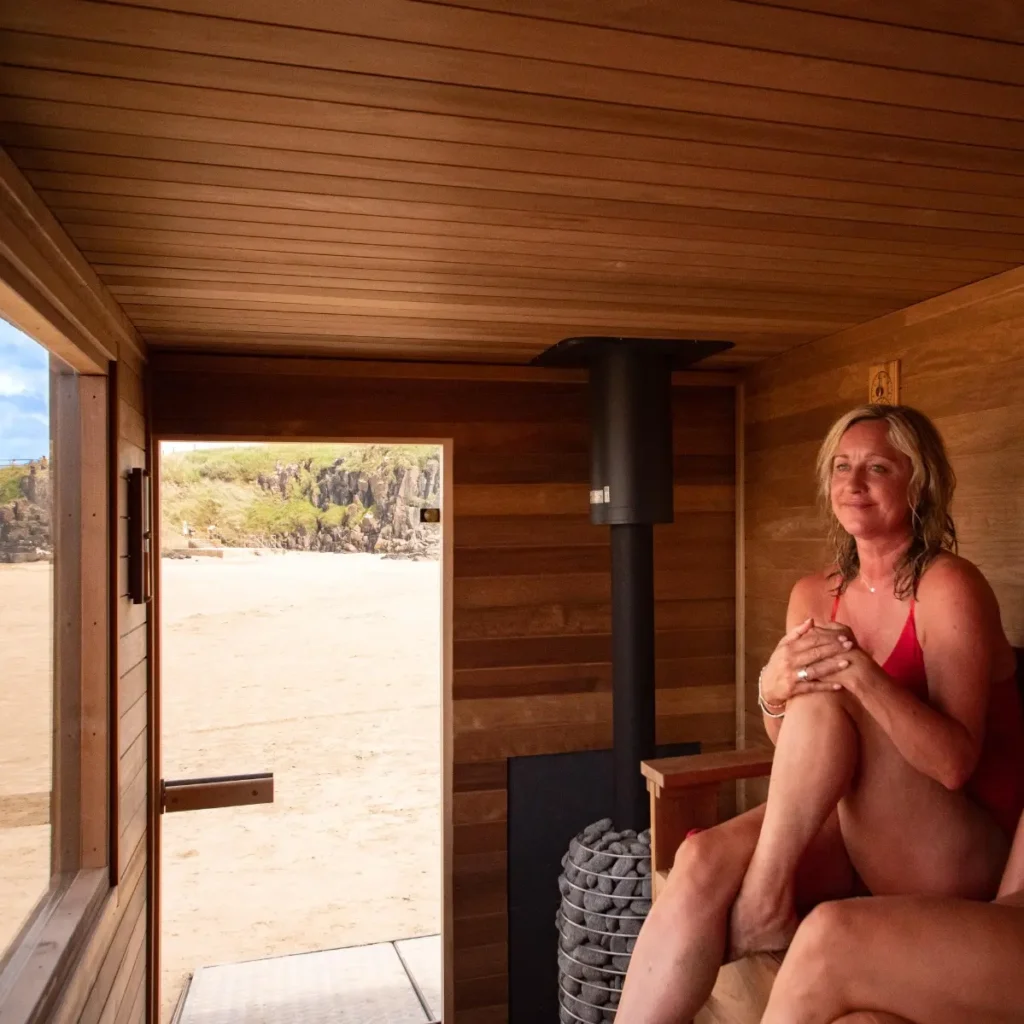
An electric heater warms a bank of stones using an electric element, controlled by a thermostat and, on many models, a timer. You set a temperature, it heats up, and it holds steady. A wood-fired heater, or stove, burns logs in a firebox to heat the stones and the cabin, giving off that unmistakable crackle and glow. Both let you pour water over the stones for steam, the classic Finnish loyly.
Wood-fired vs electric at a glance
The experience
Wood-fired heaters are prized for atmosphere. The sound of the fire, the soft light, and the ritual of tending the stove make for a deeply traditional, off-grid feeling that many sauna lovers adore. Electric heaters are all about ease and consistency, giving you precise, even heat at the flick of a switch with no fire to manage.
Convenience and warm-up
Electric wins on convenience. Set it and forget it, and with a timer you can have the sauna ready for a set time with no effort. A wood-fired stove takes more involvement: you need to lay and light the fire and tend it during your session, and it typically takes a little longer to reach temperature.
Running costs and fuel
Running costs depend on your energy prices and how often you use the sauna. An electric heater draws mains power and its cost tracks your electricity tariff. A wood-fired stove runs on logs, which can be very economical if you have a good, affordable wood supply, and it keeps working during a power cut. For a fuller view of ongoing costs, see our sauna cost guide.
Installation and siting
Electric heaters need a suitable power supply and a certified electrical installation, but no flue. Wood-fired stoves need a chimney or flue and safe clearances from combustible materials, which makes them best suited to garden and outdoor saunas rather than indoor spaces. Siting and safety are things a bespoke builder will plan from the outset.
Maintenance
Electric heaters are low maintenance, with little to do beyond occasional stone checks. A wood stove needs the ash cleared and the flue kept clean, part of the hands-on charm for some owners and a chore for others.
Which should you choose?
- Choose wood-fired if you love atmosphere and ritual, have a garden or outdoor sauna with room for a flue, want independence from mains power, and have access to affordable logs.
- Choose electric if you value convenience, quick and precise heat, timer control, and the simplest installation, especially for smaller or indoor-adjacent setups.
There is no wrong answer. The best heater is the one that matches how you want your sauna to feel and how you plan to use it.
Planning your garden sauna
Your heater choice sits alongside decisions on size, siting, and design, and they are best planned together. Our complete UK guide to garden saunas covers the full process, and for a premium, made-to-measure build, see our bespoke saunas.
Talk to a bespoke sauna builder
Skotlanti designs and builds bespoke outdoor saunas with both wood-fired and electric heater options, tailored to your garden and how you like to relax. Get in touch and we will help you choose the right heater for your project.