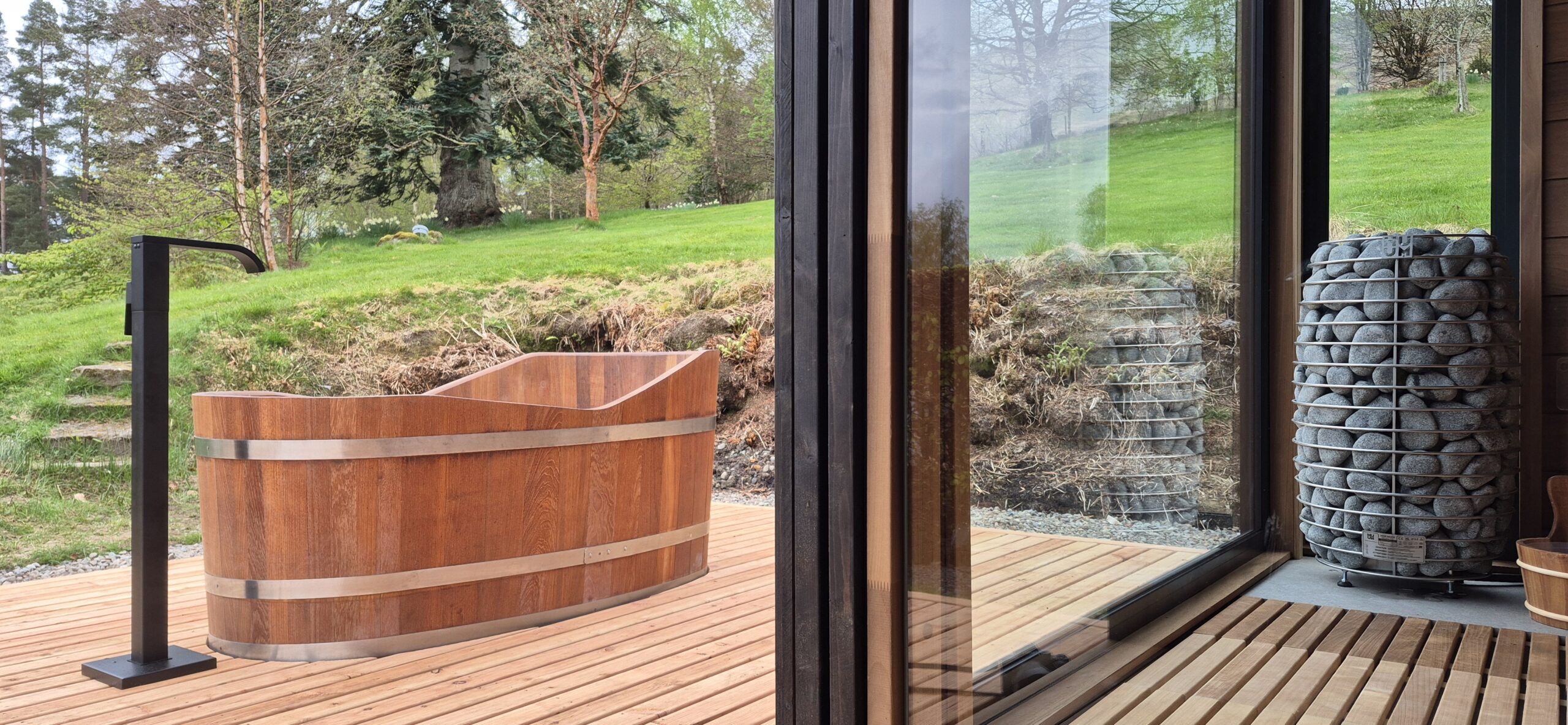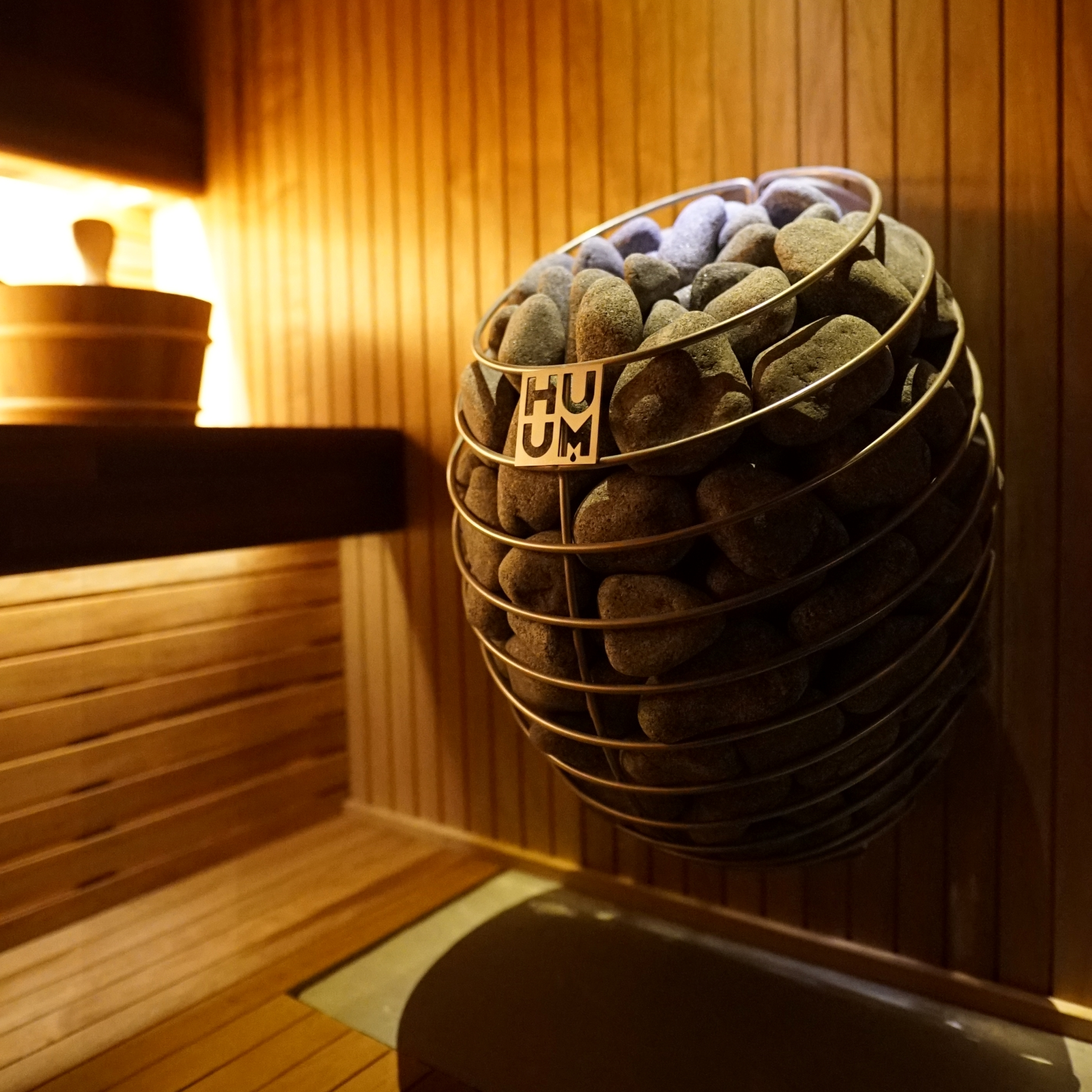
Wood-Fired vs Electric Sauna Heaters

The heater is the heart of any sauna, and one of the biggest choices you will make is whether to go wood-fired or electric. Both create a genuine, authentic sauna experience, but they feel different to use, cost different amounts to run, and suit different settings. This guide compares wood-fired versus electric sauna heaters so you can choose the right one for your garden sauna.

How each heater works

An electric heater warms a bank of stones using an electric element, controlled by a thermostat and, on many models, a timer. You set a temperature, it heats up, and it holds steady. A wood-fired heater, or stove, burns logs in a firebox to heat the stones and the cabin, giving off that unmistakable crackle and glow. Both let you pour water over the stones for steam, the classic Finnish loyly.

Wood-fired vs electric at a glance

The experience

Wood-fired heaters are prized for atmosphere. The sound of the fire, the soft light, and the ritual of tending the stove make for a deeply traditional, off-grid feeling that many sauna lovers adore. Electric heaters are all about ease and consistency, giving you precise, even heat at the flick of a switch with no fire to manage.

Convenience and warm-up

Electric wins on convenience. Set it and forget it, and with a timer you can have the sauna ready for a set time with no effort. A wood-fired stove takes more involvement: you need to lay and light the fire and tend it during your session, and it typically takes a little longer to reach temperature.

Running costs and fuel

Running costs depend on your energy prices and how often you use the sauna. An electric heater draws mains power and its cost tracks your electricity tariff. A wood-fired stove runs on logs, which can be very economical if you have a good, affordable wood supply, and it keeps working during a power cut. For a fuller view of ongoing costs, see our sauna cost guide.

Installation and siting

Electric heaters need a suitable power supply and a certified electrical installation, but no flue. Wood-fired stoves need a chimney or flue and safe clearances from combustible materials, which makes them best suited to garden and outdoor saunas rather than indoor spaces. Siting and safety are things a bespoke builder will plan from the outset.

Maintenance

Electric heaters are low maintenance, with little to do beyond occasional stone checks. A wood stove needs the ash cleared and the flue kept clean, part of the hands-on charm for some owners and a chore for others.

Which should you choose?

  • Choose wood-fired if you love atmosphere and ritual, have a garden or outdoor sauna with room for a flue, want independence from mains power, and have access to affordable logs.
  • Choose electric if you value convenience, quick and precise heat, timer control, and the simplest installation, especially for smaller or indoor-adjacent setups.

There is no wrong answer. The best heater is the one that matches how you want your sauna to feel and how you plan to use it.

Planning your garden sauna

Your heater choice sits alongside decisions on size, siting, and design, and they are best planned together. Our complete UK guide to garden saunas covers the full process, and for a premium, made-to-measure build, see our bespoke saunas.

Talk to a bespoke sauna builder

Skotlanti designs and builds bespoke outdoor saunas with both wood-fired and electric heater options, tailored to your garden and how you like to relax. Get in touch and we will help you choose the right heater for your project.
How Often Should You Use a Sauna?

Once you have a sauna you love, the natural next question is how often you should use it. There is no single magic number, but research and long-standing practice point to a sensible range for most people. This guide sets out how often to use a sauna to feel the benefits, why consistency matters more than marathon sessions, and how to build a routine that suits you.

The short answer

For most healthy adults, two to four sauna sessions a week is a realistic and rewarding rhythm. That range is enough to enjoy the relaxation, recovery, and wellbeing benefits without overdoing it, and it is easy to keep up over the long term. Some regular users go more often, and the largest observational studies on sauna bathing have linked the greatest benefits with frequent use, but two to four times a week is a strong, sustainable starting point.

Why consistency beats intensity

The benefits of a sauna build up gradually with regular use rather than arriving in one long session. Three moderate sessions a week, kept up over months, will do far more for you than an occasional two-hour stint. Think of it like exercise: a steady habit is what delivers results. This is also why having a sauna at home makes such a difference, because the easier it is to use, the more consistent you will naturally be.

How long should each session be?

Frequency works hand in hand with session length. A comfortable session is usually 10 to 20 minutes, and there is no benefit to pushing far beyond that. Many people enjoy two or three shorter rounds with a cool-down in between rather than one long sit. Our guide to how to use a sauna covers timing, temperature, and etiquette in full.

Finding the right frequency for you

The best frequency is the one that leaves you feeling good, so let how you respond be your guide.

  • New to sauna use: start with two shorter sessions a week and build up as you get used to the heat.
  • For relaxation and sleep: a few evening sessions a week, finished an hour or two before bed, suit many people well.
  • For recovery: a session after training on your harder days is a popular pattern.
  • Daily use: plenty of committed users enjoy a short sauna most days. If you go this route, keep sessions moderate and stay well hydrated.

Listen to your body and stay safe

Whatever your frequency, a few habits keep sauna use safe and enjoyable. Drink water before and after each session, avoid alcohol beforehand, and step out if you feel dizzy or unwell rather than pushing through. If you are pregnant, have a heart condition or low blood pressure, or take medication that affects blood pressure or hydration, check with your doctor before making the sauna a regular habit. And if you are feeling run down, our piece on whether saunas are good for colds is worth a read.

The bottom line

Aim for two to four sessions a week of 10 to 20 minutes, stay consistent, and adjust to what feels right for you. Done regularly, a sauna becomes one of the simplest and most enjoyable wellness habits there is. For the full picture of what you gain, see our evidence-based guide to sauna benefits.

Make the habit easy with a sauna at home

The single biggest factor in how often you use a sauna is how easy it is to reach. Skotlanti designs and builds bespoke saunas for homes and gardens across the UK, so the ritual is always just a few steps away. Explore our range or get in touch to talk through your ideas.

Indoor Saunas: Where to Put One in Your Home

An indoor sauna turns a spare corner of your home into a private wellness retreat, ready whenever you are, whatever the weather. The first big decision is where to put it. The right location makes the sauna easier to use, simpler to install, and a natural part of your daily routine. This room-by-room guide walks through the best places for an indoor sauna and what to think about for each.

What makes a good spot for an indoor sauna

Before we go room by room, a few practical points apply everywhere. A good location needs enough floor space and head height, access to a suitable power supply, adequate ventilation, and a moisture-tolerant setting. A bespoke build helps here, because the sauna is designed around the space you have rather than forcing you to find a space that fits a standard box.

The bathroom

The bathroom is a natural home for an indoor sauna. It is already built for moisture and warmth, a shower is right there for cooling down afterwards, and the whole space becomes a spa-like zone. The main consideration is size, as many bathrooms are tight on floor area, which is exactly where a made-to-measure sauna earns its place by fitting an awkward footprint neatly.

The spare bedroom

An underused spare room is one of the most popular choices. There is usually plenty of floor space and head height, and the room can become a dedicated relaxation space. You will want to consider flooring and ventilation, but a spare room offers the flexibility to design the sauna you really want rather than the one that just squeezes in.

The garage

A garage, or part of one, is a practical option with room to spare and fewer worries about disruption to the rest of the house. It suits people who want a slightly larger sauna or a more utilitarian setup. Insulation and heating of the surrounding space are worth planning for so the sauna performs well year-round.

The basement or cellar

If you have a basement, it can make an excellent, secluded sauna location, tucked away and quiet. The key things to get right are ventilation and damp management, both of which a good installer will design in from the start. The result is a private wellness room that does not take space from your main living areas.

The utility room or a converted cupboard

Compact spaces such as a large utility room or an oversized cupboard under the stairs can suit a small one or two person sauna, especially an infrared sauna, which is often more compact and simpler to site because it runs at a lower air temperature. It is a clever way to add a sauna without giving up a whole room.

Traditional or infrared for an indoor space?

The type of heat you choose affects which locations work best. Infrared cabins tend to be more compact and quicker to warm up, which suits smaller footprints, while traditional saunas deliver the classic intense heat and steam. Our guide to infrared versus traditional saunas explains the differences so you can match the type to your space.

Planning it all together

Location, size, heat type, and finish are all connected, and the best results come from planning them as one. Our complete guide to home saunas in the UK covers the full picture, from first idea to finished install.

Design your indoor sauna around your home

Wherever you want it, Skotlanti designs and builds bespoke indoor saunas made to fit your space and your life. Explore our range or get in touch and we will help you find the perfect spot.

Do You Need Planning Permission for a Garden Sauna?

A garden sauna is one of the best ways to bring the wellness ritual home, but before you choose a spot at the bottom of the garden there is one question worth answering early: do you need planning permission? For most garden saunas in the UK the answer is no, because they fall under permitted development. There are important exceptions, though, and getting this right from the start saves a lot of stress later.

This guide explains the general UK rules in plain English. It is a starting point rather than formal advice, so always confirm your own situation with your local planning authority before you build.

The short answer: usually permitted development

A garden sauna is generally treated like any other garden outbuilding, such as a shed or summerhouse. Outbuildings are normally covered by permitted development rights, which means you can build them without a full planning application, provided they stay within a set of limits. If your sauna meets those conditions, you are free to go ahead.

The main conditions to stay within

Permitted development for outbuildings comes with rules on size, height, and position. The key ones to keep in mind are:

  • The building must be single storey.
  • Maximum eaves height of 2.5 metres, and a maximum overall height of 4 metres for a dual-pitched roof, or 3 metres for any other roof.
  • If the sauna is within 2 metres of a boundary, its overall height must not exceed 2.5 metres.
  • Outbuildings must not cover more than half the total area of land around the original house.
  • The building should be to the rear of the house, not forward of the principal elevation facing a road.
  • It must be for a purpose incidental to the enjoyment of the home, which a sauna is.

Most garden saunas are comfortably within these limits, which is why they so rarely need an application.

When you probably do need permission

Permitted development rights are reduced or removed in certain situations. You are more likely to need planning permission if:

  • Your home is a listed building, where separate listed building consent may also be required.
  • You live in a conservation area, national park, or an Area of Outstanding Natural Beauty, where tighter rules apply, especially to buildings at the side of a property.
  • The sauna would sit forward of the front of the house.
  • Your permitted development rights have been removed, for example by a planning condition on a newer property. This is worth checking on any recent build.
  • You plan to sleep in the building or use it as self-contained living accommodation, which changes how it is treated.

Building regulations are a separate question

Planning permission and building regulations are two different things. Even when a garden sauna does not need planning permission, building regulations can still apply, particularly around electrical work and, for larger buildings, structural and fire safety matters. Any electrical installation in an outbuilding should be carried out by a qualified electrician and certified. A reputable installer will handle this properly as part of the build.

How to check your own situation

The safest approach is simple. Note the size and position you have in mind, then contact your local planning authority or use the government’s Planning Portal to confirm whether your plans fall under permitted development. If there is any doubt, you can apply for a Lawful Development Certificate, which gives you formal confirmation that the sauna is lawful without needing full permission. It is a small step that gives real peace of mind, especially if you sell the house later.

Planning your garden sauna the right way

Siting, size, and design all affect both the rules and the result, so it pays to plan them together. Our complete UK guide to garden saunas walks through the whole process, and if budget is on your mind, our sauna cost guide sets out what to expect. When you work with a bespoke builder, all of this is considered from day one so your sauna fits your garden and the rules alike.

Talk to a bespoke sauna builder

Skotlanti designs and builds bespoke garden and outdoor saunas across the UK, sized and sited to make the most of your space. If you would like help planning a sauna that keeps everything above board, get in touch and we will guide you through it.