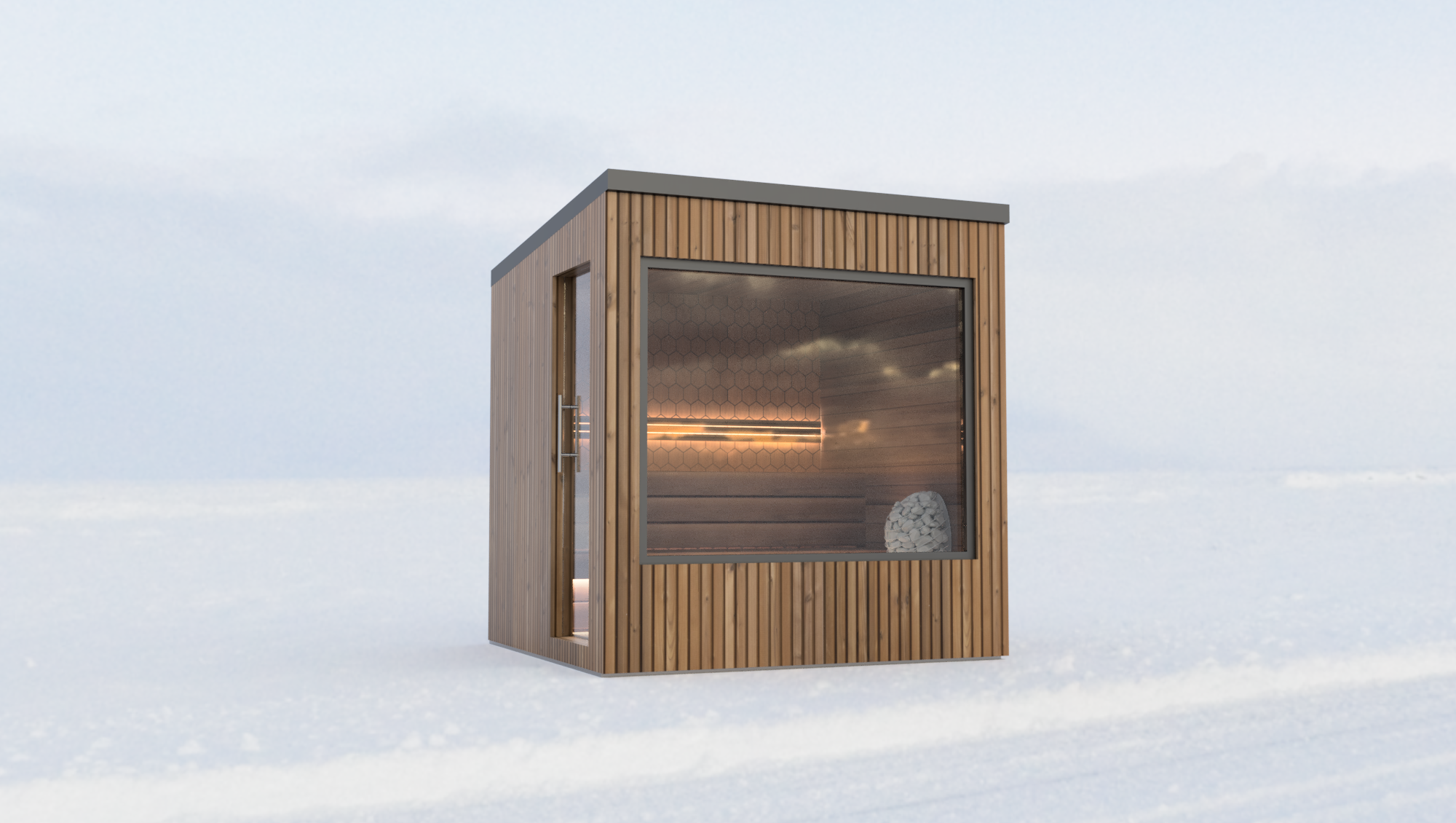
Bespoke vs Off-the-Shelf Saunas: Kit vs Bespoke

Once you have decided you want a sauna, the next question is how to buy one: a ready-made kit sauna you assemble yourself, or a bespoke sauna designed and built around your space. Both routes get you to a finished sauna, but they differ in cost, fit, quality, and the kind of result you end up with. This guide compares kit versus bespoke saunas so you can choose the right approach for your home and budget.

What is a kit sauna?

A kit sauna is a pre-designed, flat-packed cabin sold in standard sizes. You order a model, it arrives as a set of panels and components, and it is assembled on site, either by you or an installer. Kits are the more affordable, quicker option and work well when you have a straightforward space and are happy with a standard size and layout.

The trade-off is flexibility. You choose from set dimensions and finishes, so the sauna fits your room only as well as the nearest standard size allows, and awkward corners, sloping ceilings, or specific design ideas are hard to accommodate.

What is a bespoke sauna?

A bespoke sauna is designed from scratch for your space and your requirements. Every dimension, the bench layout, the choice of wood, the glazing, the heater type, and the finish are specified to suit you. A bespoke build makes the most of an unusual footprint, matches the look of your home or garden, and is made to last.

This is the route to choose when you want the sauna to feel like a built-in part of your property rather than a box dropped into a room. It is a bigger investment than a kit, but it delivers a better fit and a higher-end result. You can see how we approach this on our bespoke saunas page.

Kit vs bespoke: the key differences

Fit and design

A kit fits standard spaces in standard sizes. A bespoke sauna is measured and designed to use your space perfectly, including tricky shapes and specific style requirements.

Quality and longevity

Kits vary widely in material quality. A well-built bespoke sauna uses carefully selected timber and construction methods chosen for durability, which matters for something exposed to heat and moisture for years.

Cost

Kits are cheaper up front and are the budget-friendly choice. Bespoke costs more because it is designed and built individually, but it adds more to the look, feel, and value of your home. For a full breakdown of what to budget, see our guide to how much a sauna costs in the UK.

Installation

Kits are assembled from instructions, which can be straightforward or fiddly depending on the model. A bespoke sauna is professionally designed and installed, so ventilation, heater clearances, and finishing are handled properly from the start.

The end result

A kit gives you a functional sauna. A bespoke sauna gives you a considered feature that fits your home, reflects your taste, and is built to last.

Which is right for you?

  • Choose a kit if budget is the priority, your space suits a standard size, and you are comfortable with a ready-made design.
  • Choose bespoke if you want the perfect fit for your space, a premium finish, higher build quality, and a sauna that adds lasting value to your property.

Getting the details right either way

Whichever route you take, the same planning questions apply: where the sauna will go, what size suits your space, and which heater type you prefer. Our complete guide to home saunas in the UK covers those decisions, and our sauna cost guide helps you set a realistic budget before you commit.

Considering a bespoke sauna?

If you want a sauna made to measure for your home and built to last, Skotlanti designs and builds bespoke saunas across the UK. See our bespoke saunas or get in touch to talk through your space and ideas.
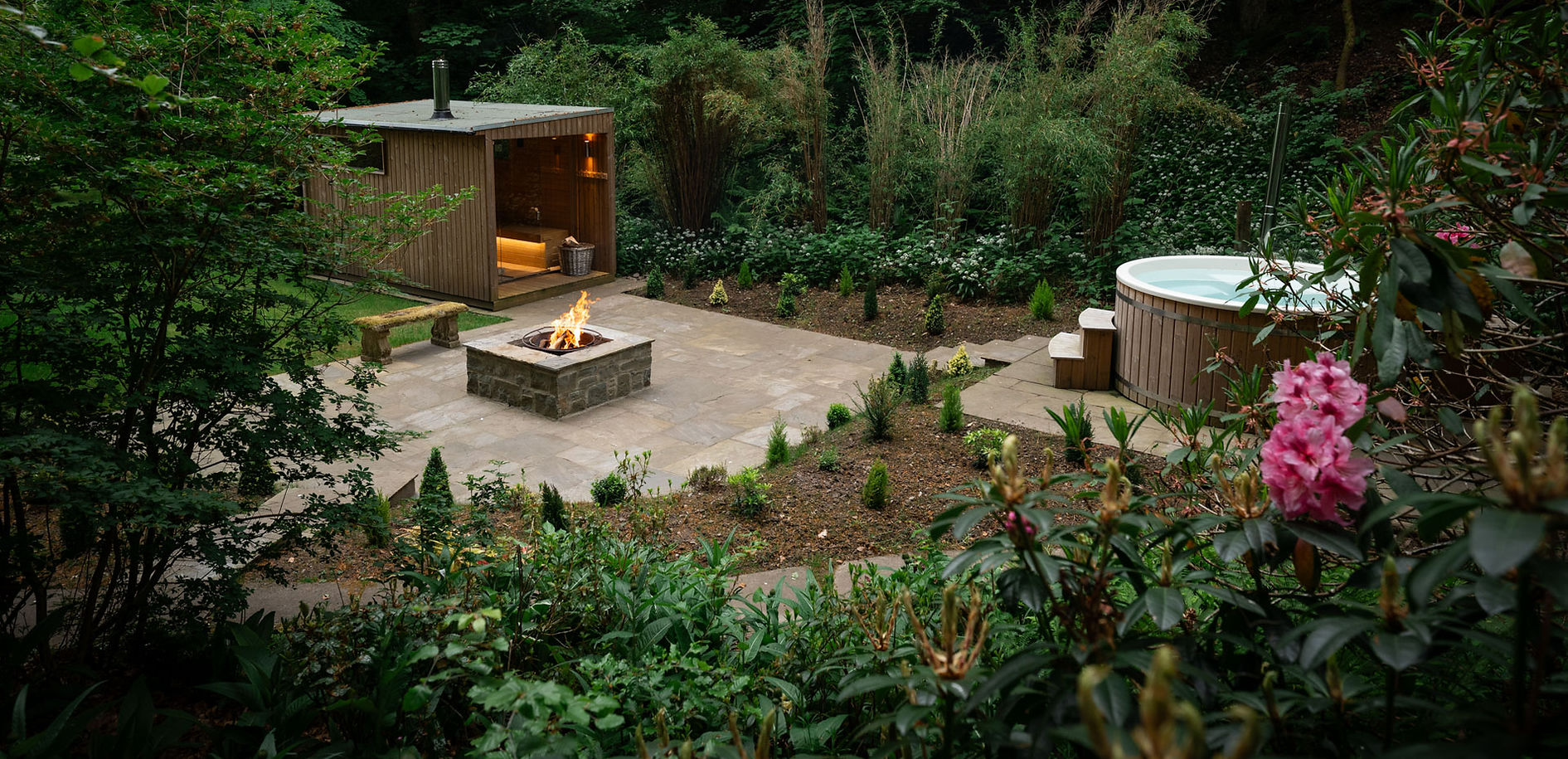
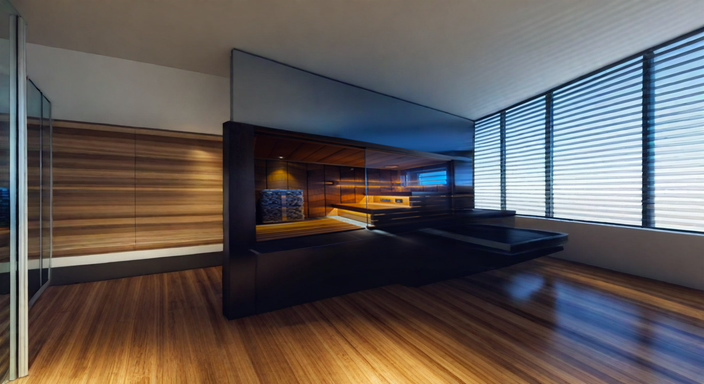
How to Use a Sauna: A Beginner’s Guide

A sauna is one of the simplest wellness rituals there is, but if you are new to it a few questions always come up. How hot should it be? How long should you stay in? Do you go in before or after a shower? This beginner’s guide walks you through how to use a sauna properly, step by step, so you get the full benefit and stay comfortable and safe throughout.

Whether you have just had a bespoke sauna installed by Skotlanti or you are getting to grips with one for the first time, the basics are the same.

Before you start

A little preparation makes every session better. Have a shower first to rinse off, which is both good etiquette and helps you sweat more freely. Take a towel to sit on, drink a glass of water beforehand, and remove jewellery and glasses, which can get uncomfortably hot. Avoid using a sauna straight after a heavy meal or after drinking alcohol.

How to use a sauna: step by step

Warm up gradually

Enter the sauna and choose a bench. Heat rises, so the lower benches are cooler and gentler for a first session, while the higher benches are hotter. Sit or lie on your towel and give yourself a few minutes to settle into the heat.

Get the temperature right

A traditional sauna usually runs at around 70 to 90°C. An infrared sauna feels different, warming your body directly at a lower air temperature of roughly 45 to 60°C. Neither is “better”; it comes down to the kind of heat you enjoy. In a traditional sauna you can add a little water to the heater stones to raise the humidity and deepen the heat, a practice known as loyly.

Time your session

Aim for 10 to 15 minutes per session as a comfortable starting point. As you get used to the heat you might extend to around 20 minutes, but there is no prize for staying longer, and it is always better to step out early than to push through discomfort.

Cool down

After your session, step out and cool down. A cool shower, a splash of cold water, or simply resting in fresh air all work well. This cooldown is part of the experience and helps your heart rate and temperature settle.

Rehydrate and repeat if you wish

Drink water to replace what you lost through sweat. Many regular users enjoy two or three rounds of heat with a cooldown in between, but one good session is plenty when you are starting out.

How often should you use a sauna?

For most people, two to four sessions a week is a realistic and rewarding rhythm. Consistency matters more than the odd marathon session, and the health and recovery benefits build up over time with regular use. Listen to your body and adjust to what feels good for you.

Sauna etiquette and good habits

  • Always sit or lie on a towel rather than directly on the wood.
  • Keep the door closed to hold the heat, opening it only briefly.
  • Enter and leave calmly to keep the temperature stable for everyone.
  • Wipe down your bench after use if you have been sweating heavily.
  • Keep conversation relaxed and low key; a sauna is a place to unwind.

Staying safe

Using a sauna is safe and enjoyable for most people when you follow a few sensible rules. Do not use a sauna after alcohol, step out immediately if you feel dizzy or unwell, and never leave young children unattended. If you are pregnant, have a heart condition or low blood pressure, or take medication that affects blood pressure or hydration, check with your doctor before making the sauna a regular habit.

Why it is worth building the habit

Once using a sauna becomes second nature, it turns into one of the easiest wellness routines to keep up, especially when it is right outside your back door. If you want to understand exactly what you are gaining, our guide to sauna benefits covers the evidence, and if you are still deciding on the right setup for your home, start with our complete guide to home saunas in the UK.

Ready to enjoy your own sauna?

A sauna you love to use is one that fits your space and your routine perfectly. Skotlanti designs and builds bespoke saunas for homes and gardens across the UK. Explore our range or get in touch to talk through your ideas.

Infrared vs Traditional Sauna: Which for Your Home?

If you are planning a sauna for your home, one of the first decisions you will face is the type of heat: infrared or traditional. Both deliver a genuine, rewarding sauna experience, but they feel different, cost different amounts to run, and suit different people. This guide compares infrared versus traditional saunas across the things that actually matter so you can choose with confidence.

The key difference in how they heat

A traditional sauna heats the air. A heater warms a bank of stones, the stones warm the air in the cabin, and that hot air warms you, typically at 70 to 90°C. You can pour water over the stones to create a burst of steam and raise the humidity, the classic Finnish loyly.

An infrared sauna heats you directly. Infrared emitters produce radiant heat that warms your body rather than the air around it, so the cabin feels cooler, usually 45 to 60°C, while you still work up a deep sweat. Our guide to what an infrared sauna is explains the technology in more detail.

Infrared vs traditional sauna at a glance

Heat and feel

Traditional saunas give an intense, enveloping heat with the option of steam, which many people find is the “real” sauna experience. Infrared offers a milder, gentler warmth that some find easier to tolerate for longer, with no strong blast of hot air when you open the door.

Warm-up time

Infrared cabins are ready in around 10 to 15 minutes. A traditional sauna usually needs 30 to 45 minutes to bring the stones and air up to temperature, so a little more planning is involved.

Running costs and energy

Because infrared runs at a lower temperature and heats up quickly, it typically uses less energy per session, which appeals if you plan to use your sauna daily. A traditional electric heater draws more power, though wood-fired options give a different kind of value and atmosphere.

Humidity

Traditional saunas let you control humidity by adding water to the stones, moving from a dry heat to a steamy one. Infrared saunas are a dry heat only, with no steam.

Space and installation

Infrared cabins are often more compact and simpler to site, which can make them a good fit for a spare room, garage, or smaller footprint. Traditional saunas need appropriate ventilation and heater clearances, which a bespoke builder will design in from the start.

Which should you choose?

There is no single right answer, but a few pointers help:

  • Choose traditional if you love intense heat and steam, enjoy the ritual of loyly, and want the classic sauna experience.
  • Choose infrared if you prefer a gentler heat, want quick warm-up times, plan to use it most days, or are fitting a sauna into a tighter space.

Some people genuinely enjoy both, and a bespoke build can even combine elements. The most important thing is being honest about how you will actually use it: the best sauna is the one you look forward to and use regularly.

Health benefits: are they different?

Both types raise your core temperature, get your heart rate up, and make you sweat, so the wellbeing and recovery benefits are broadly similar. The difference is mainly in the experience rather than the outcome. For a full, evidence-based look at what you gain, see our guide to sauna benefits.

Making the decision for your home

When you are planning an indoor sauna, the type of heat sits alongside questions of size, location, and finish. Our complete guide to home saunas in the UK walks through all of those decisions together, so you can see how the infrared versus traditional choice fits into the bigger picture.

Talk to a bespoke sauna builder

The right choice depends on your space, your budget, and how you like to relax. Skotlanti designs and builds both traditional and infrared saunas, tailored to your home. Explore our range or get in touch and we will help you weigh up the options for your project.

Sauna Benefits: What the Evidence Says

Saunas have been part of daily life in Scandinavia and Finland for thousands of years, and modern research is now catching up with what regular users have long felt: sitting in the heat does more than help you relax. This guide sets out the sauna benefits that are actually supported by evidence, where the science is strong and where it is still emerging, and how to enjoy those benefits safely.

At Skotlanti Saunas we build bespoke saunas for homes and gardens across the UK, so we care about giving you an honest, balanced picture rather than a list of overblown claims.

How a sauna affects your body

A traditional sauna warms the air around you to roughly 70 to 90°C, while an infrared sauna uses radiant heat at a lower air temperature. Either way, your skin warms, your heart rate rises, and your blood vessels widen to move heat to the surface of your body. In many respects this response looks similar to light or moderate exercise: your pulse can climb to 100 to 150 beats per minute during a session and settle again afterwards.

That cardiovascular “workout” without the physical strain is the mechanism behind many of the benefits below. It is also why sensible time limits matter, which we cover later.

The evidence-based benefits of sauna use

Cardiovascular health

The strongest evidence for sauna benefits comes from long-running Finnish research tracking thousands of regular users over decades. These studies have linked frequent sauna bathing with lower rates of high blood pressure and cardiovascular events, with the largest associations seen in people using a sauna four or more times a week. This is observational research, so it shows a strong association rather than absolute proof of cause, but the pattern is consistent and biologically plausible given the effect of heat on blood vessels.

Recovery and muscle relaxation

Warmth increases blood flow to tired muscles, which is why so many people use a sauna after training or a long day on their feet. Improved circulation can help ease muscle tension and stiffness, and many athletes build heat sessions into their recovery routine.

Stress relief and relaxation

The quiet, warm environment of a sauna encourages the body to shift out of a stressed state. Regular users often report better mood and a feeling of calm after a session, and the ritual of stepping away from screens and demands is a genuine part of the benefit.

Better sleep

A rise and then gradual fall in body temperature is one of the natural cues that helps you drift off. A sauna in the evening, finished an hour or two before bed, can support that wind-down for many people.

Skin cleansing

Sweating opens the door to a deep cleanse, rinsing away surface dirt and leaving skin feeling refreshed. The effect is short term rather than a cure for skin conditions, but it is a pleasant and real part of a regular sauna habit.

A sense of wellbeing and routine

Beyond any single measurable outcome, the biggest reason people keep coming back is how a sauna makes them feel. Building a regular, screen-free ritual into the week has value that is hard to capture in a study but easy to notice in daily life.

What the science does not yet prove

It is worth being clear about the claims that outrun the evidence. Saunas do not “sweat out toxins” in any meaningful medical sense; your liver and kidneys handle that. Sweating during a session is about temperature control, not detox. Sauna use is also not a weight-loss method: any drop on the scales immediately afterwards is water lost through sweat and returns as soon as you rehydrate. Treat a sauna as a support for wellbeing and recovery, not a substitute for exercise, a balanced diet, or medical care.

Using a sauna safely

The benefits above assume sensible use. A few simple habits keep sessions safe and enjoyable:

  • Start with shorter sessions of 10 to 15 minutes and build up as you get used to the heat.
  • Drink water before and after to replace fluid lost through sweating.
  • Avoid alcohol before or during a session.
  • Step out if you feel dizzy, lightheaded, or unwell, and cool down gradually.
  • Leave time between the sauna and bedtime so your body can cool down.

Some people should take extra care or check with a doctor first, including anyone who is pregnant, has heart conditions or low blood pressure, or is taking medication that affects hydration or blood pressure. If in doubt, ask your GP before starting a regular sauna routine.

Getting the most from a sauna at home

Consistency is what turns these benefits from occasional to lasting, and that is far easier when a sauna is a few steps from your back door rather than a trip across town. A well-designed home sauna lets you build the habit around your own schedule. If you are weighing up traditional versus radiant heat, our guide to what an infrared sauna is explains how the two feel different in practice, and if you are simply wondering whether the heat helps when you are run down, see our piece on whether saunas are good for colds.

The bottom line

The clearest, best-supported sauna benefits are cardiovascular support, muscle recovery, stress relief, and better sleep, with skin and wellbeing benefits that regular users value highly. Used sensibly and regularly, a sauna is a genuinely worthwhile addition to a healthy lifestyle. If you would like to make it part of your home, explore our bespoke sauna range or get in touch for tailored advice.